Inspiration from the Italian Greats
Here you can learn more about my writings in progress: The Rose of Ravenna, Romulus, Metamorphosed, and The Fall of the House of Sforza.
The Rose of Ravenna, my debut novel, is set to hit bookstore shelves in 2026.
The manuscripts I am currently writing are historical fictions based on the many wronged women of Ovid’s Metamorphoses, the rise and fall of the cursed Milanese Sforza dynasty, and the Sabine women of Romulus, founder of Rome.
All works in progress are manuscripts that explore dark themes and stories, where sin (as understood by societal and religious beliefs at the time), violence, and the ultimate downfalls of the characters are at the hands of power-hungry men.
The works question our belief of women in history and myth, their passions and desires, and the little autonomy they had over their own lives. My goal with re-telling such stories is to give power to the women who had so little power given to them in their original stories and lives.
These are women in history and myth who are known still to this day for the abuses they suffered, and their ultimate downfalls:
- Francesca: adulterous lover of Paolo, murdered by her husband for her sin and lack of morality
- Europa: beautiful daughter lusted over and raped by Zeus, sacrificial body for the creation of Europe
- Echo: nymph whose beauty results in her being cursed, obsessive would-be-lover of a handsome man whose lack of interest resulted in her withering away to dust
- Beatrice: young, beautiful wife of Il Moro who was used and abused by him until her untimely death at 21, cursed now to be remembered as the reason her husband went mad and lost Milan to the French
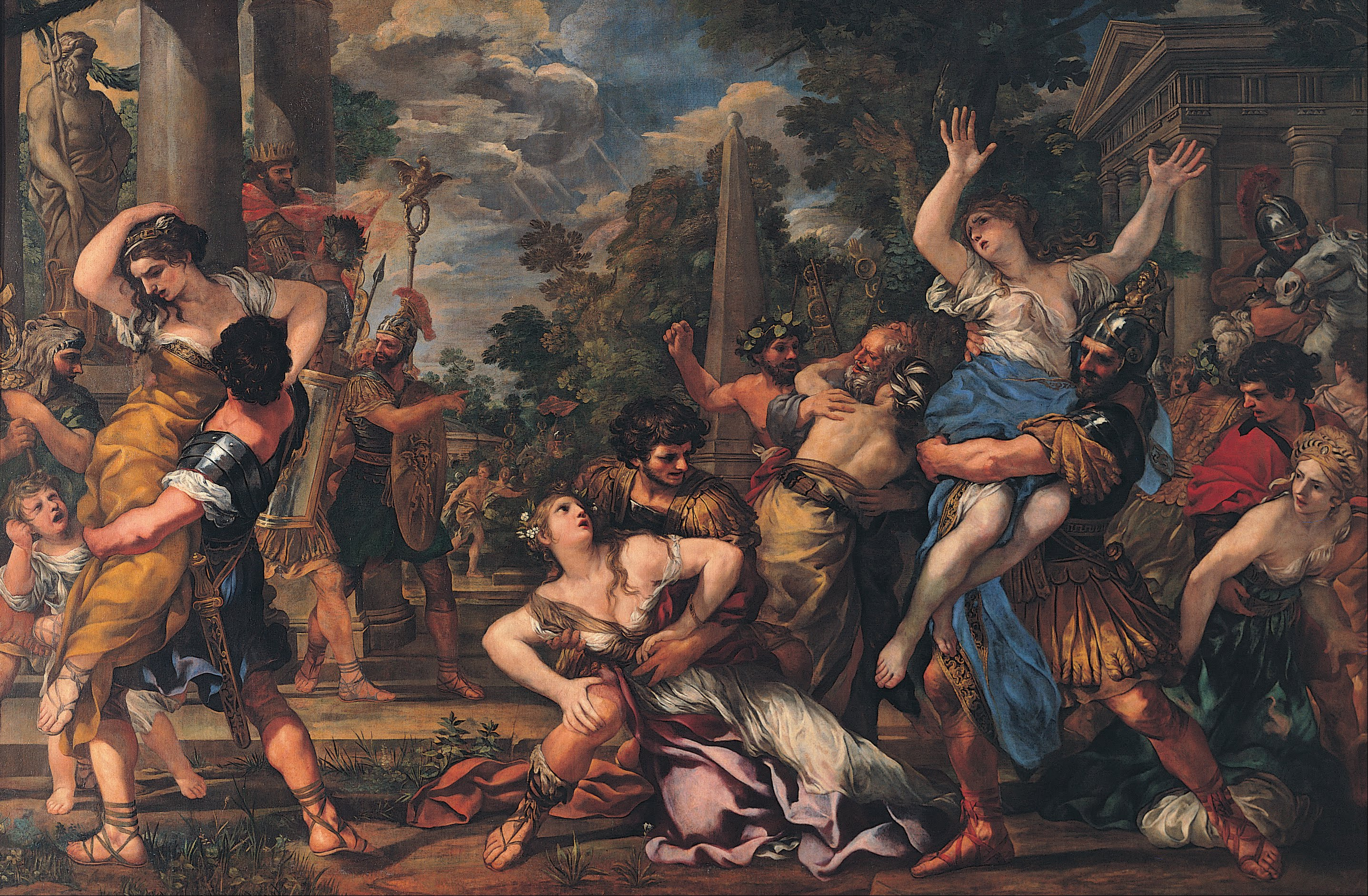
- The Sabine Women: abducted and raped by the Italic Latin men, in the name of the building of the greatest city on earth, Rome
My mission is to change how these women of history and myth, and others, are remembered and known. For them to be so much more than the one line their stories can be boiled down to. I hope by giving them voices and re-writing their stories, they become more than just their demise at the hands of powerful, brutish, cursed men.
The Rose of Ravenna
Dante’s Muses’ Affair of the (Lustful) Heart
debut novel coming 2026! subscribe to my blog to be the first to get your hands on the novel with it hits bookshelves next year
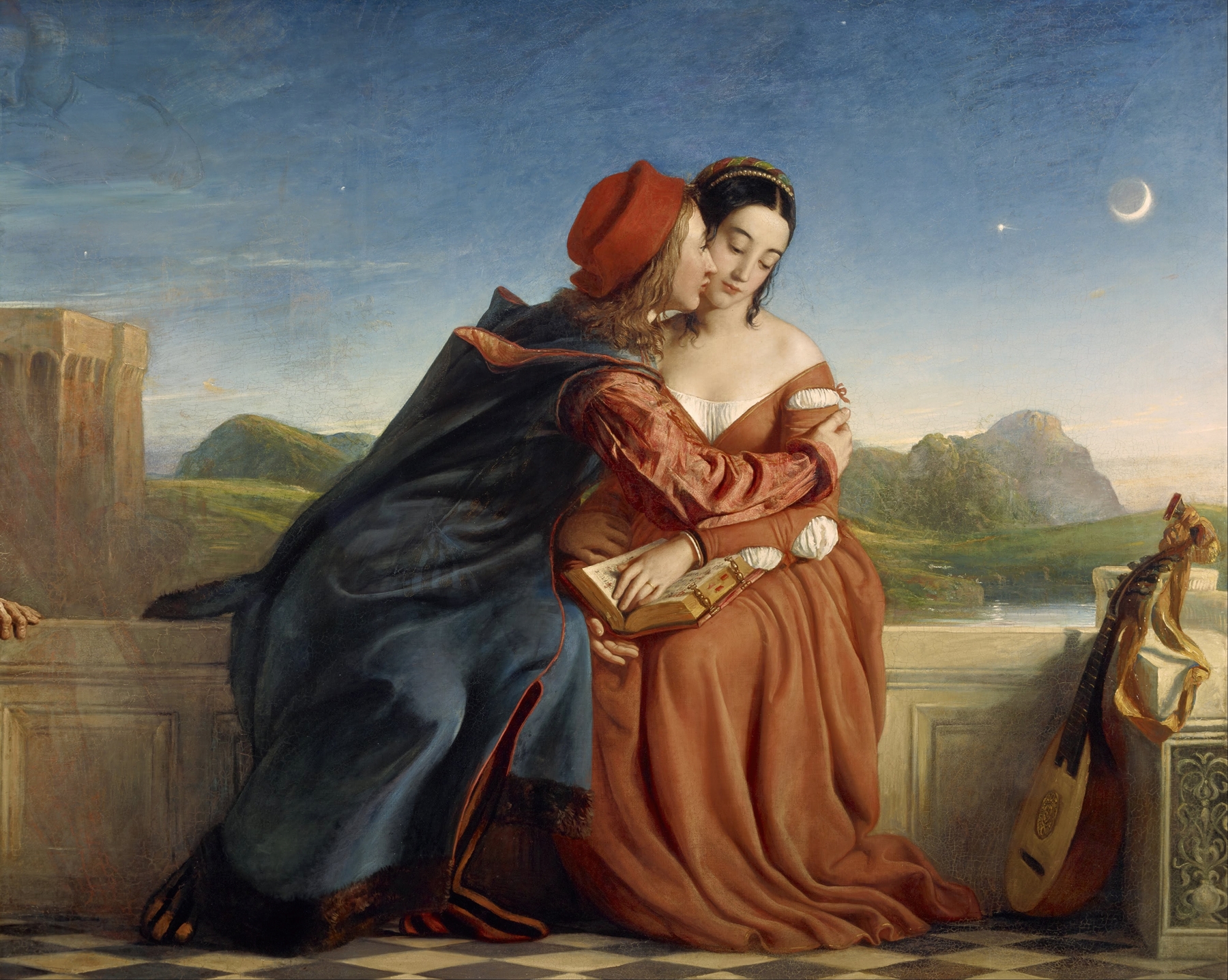
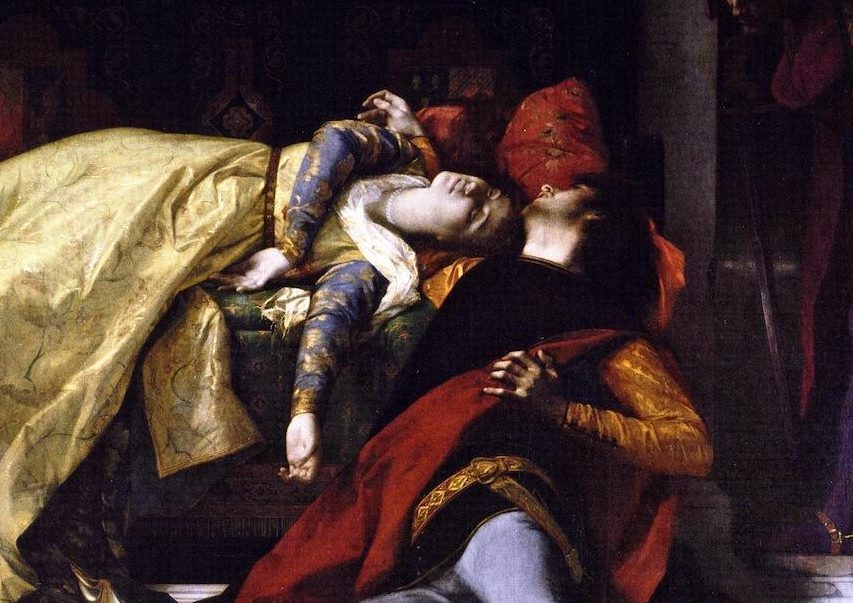
Francesca da Polenta, later known as Francesca da Rimini, and her lover, Paolo Malatesta, were murdered upon the finding out of their 10 year love affair at the hands of his brother, her husband, Giovanni “Gianciotto” Malatesta. Giovanni brutally killed the pair, casting their shades to the Second Circle of Hell, reserved for the lustful. It is here that Dante and his guide, Virgil, stumble across the lovers’ shades, and Francesca recounts to Dante their love affair and death in Inferno, the first part of the famous The Divine Comedy.
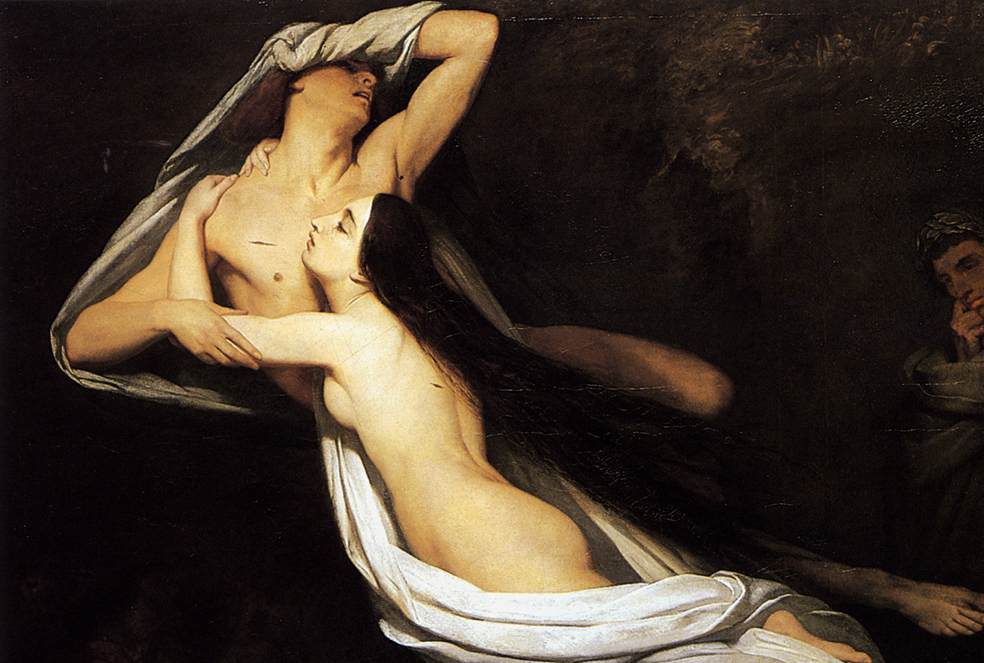
I have adapted the story of Francesca and Paolo in The Rose of Ravenna. Here, their love affair and eventual downfall is explored through themes of nature, sin, vices, and flaws. Set in the late 1270s along the Italian Adriatic Coast, the real-life characters navigate their affair and lives during the hostile Ghibelline and Guelph factions. The violence of the ongoing war impacts not only their original betrothal and ultimate marriages to other people, but the very way they think, act, and feel. Intergenerational violence and patriarchal morals heavily influences this story and its characters, staying true to the dark reality of the time period.
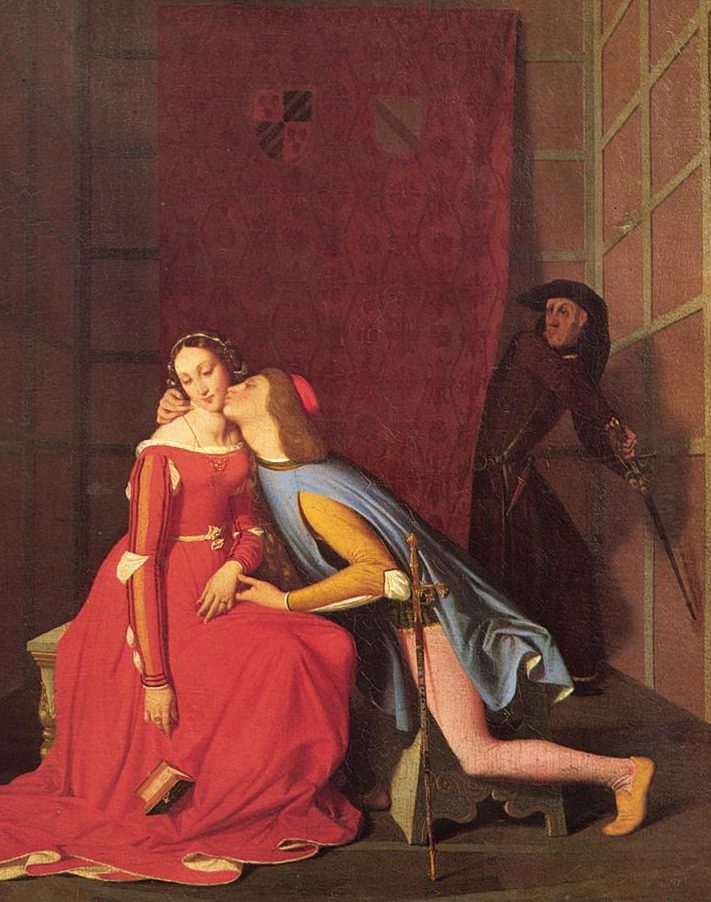
The dark reality of their life and death is not lost on this story. Themes of sin, violence, and harm to others and self is weaved throughout the story. The influence an over 100 year war has on the human characters of the story also impacts the narrators of Paolo and Francesca’s story. Unconventional, often problematic, and heavily biased to their own mythology and loves, the flora and fauna of Italy purposefully (or inadvertently) influence the trajectory of Francesca and Paolo’s life and death. Narrated by a variety of soils and plants, Francesca and Paolo’s story is told through the all-seeing eyes of nectarines, wisteria plants, and jasmine flowers.
The Fall of the House of Sforza
The (cartomantic) retelling of the rise and fall of the Sforza dynasty
The House of Sforza in Milan was short lived. Though instrumental in both the Renaissance and the power of Milan, the rise and fall came through the lineage of arrogant, power-hungry, cursed men. Embedded with the Tarot deck commissioned by the damned, this retelling of the dynasty’s fall centres on divination, curses, self-sabotage, and female rage of other worldly dimensions.
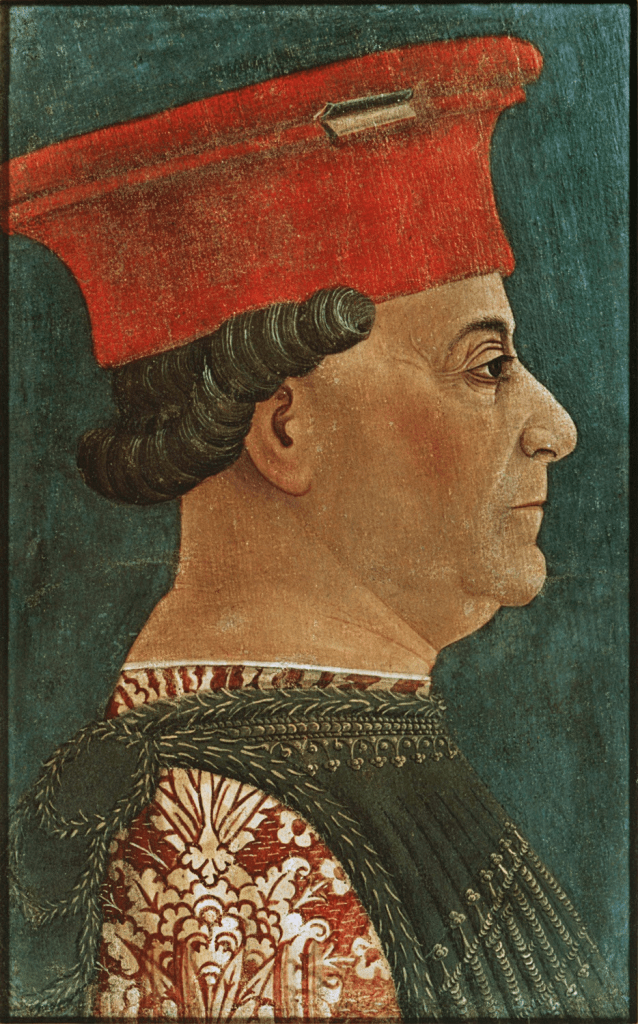
In The Fall of the House of Sforza, I imagine the fall of this Milanese dynasty through the divination of the Tarot deck commissioned by Francesco I, and how his cursed reading foretold the demise of the Sforza House through his fated descendant of the same name. Following in part the narration of Edgar Allan Poe’s The Fall of the House of Usher, and combining cartomancy of Tarot with cartomancy of one’s own future, The Fall of the House of Sforza follows the misdeeds of the Sforza men, and their cursing by scorned women.
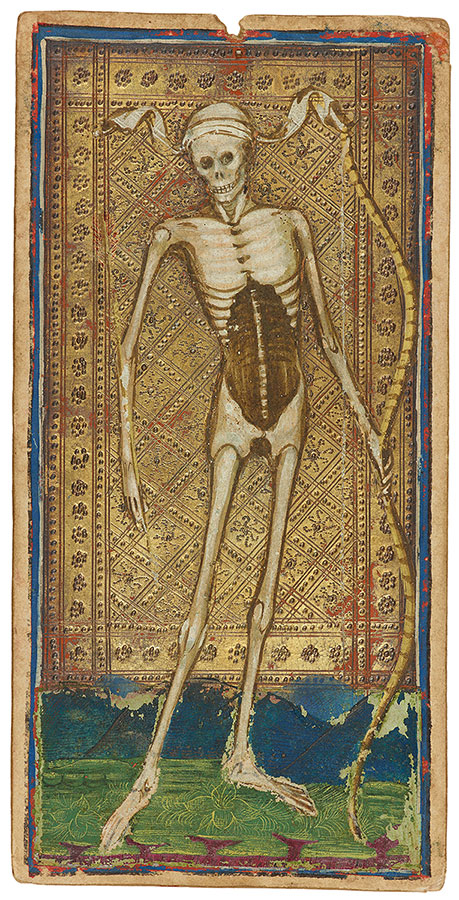
Rising and falling under the name Francesco, the Sforza men were often seen as mad tyrants whose obsession with women were only matched with their obsession of the cosmos, astrology, and Tarot. The oldest, most famous Tarot Deck, the Visconti-Sforza deck, was commissioned by none other than Francesco Sforza I, who took the Duchy of Milan through the marriage of a Visconti daughter. The story is divided into three timelines, each told through a distinct narration device, weaving the stories of Francesco I, Francesco II, and an unnamed man. Flipping from omniscient to first person narration, the three stories write the fated script of the Sforza’s fall.

Romulus
The tale of the rise of Rome through the Sabinian women
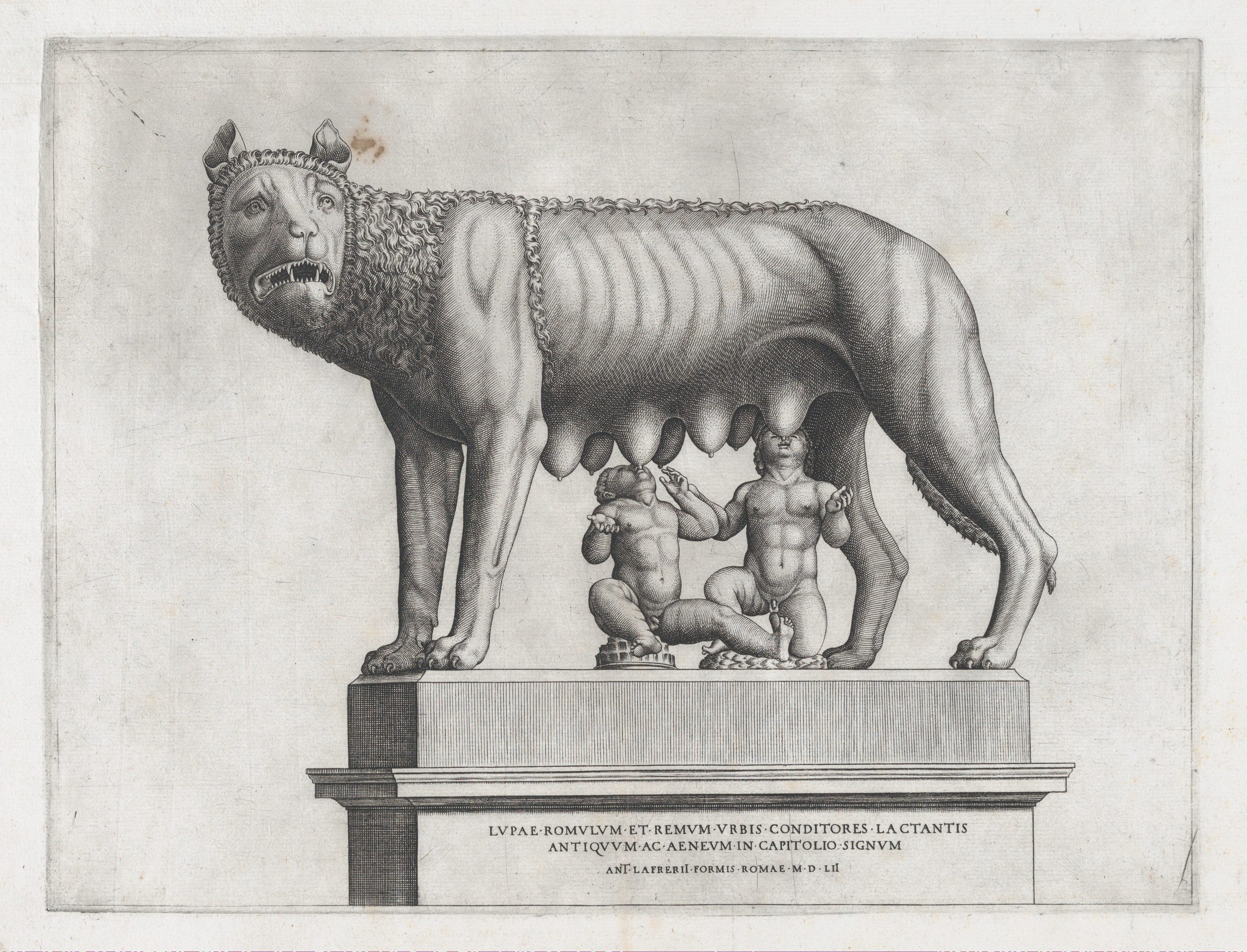
Romulus and Remus, the founders of Rome. Suckled by the She Wolf, they went on to live a life of great power and tragedy. Famously, Romulus murders his twin, Remus, for ultimate power over their newly forming Rome. He also forged the Rape of the Sabine Women, often overlooked in the telling of his greatness.
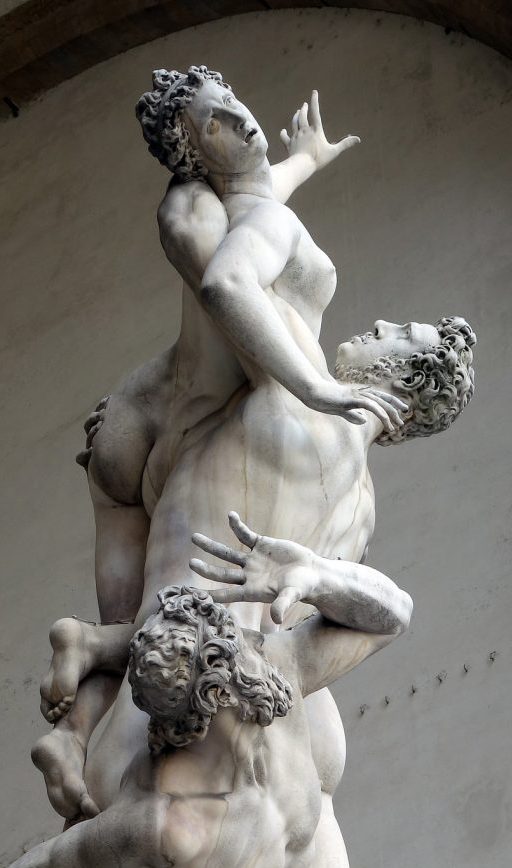
How far will a scorned woman go to seek revenge to the man who stole her, raped her, and forced her to be his wife?
Quite far, indeed.
Romulus seeks to retell the tragic story of the Father of Rome, who died a hated tyrant, with the underpinnings of revenge by the women he abducted and raped.
Metamorphosed
The Women of Ovid’s (Untold) Stories
Publius Ovidius Naso, known by Ovid, was a Roman poet who sought to write the world’s history from creation to the time his feet were upon Roman soil. In doing so, he set the landscape for many of the myths and characters of Roman (and Greek by extension) mythology. Despite the greatness of his writings, he often casts the female characters and gods in bad light. He is why we see Juno (Hera) as vindictive, Echo as meek and obsessive, and why society so easily accepted the rape of countless women in myths.
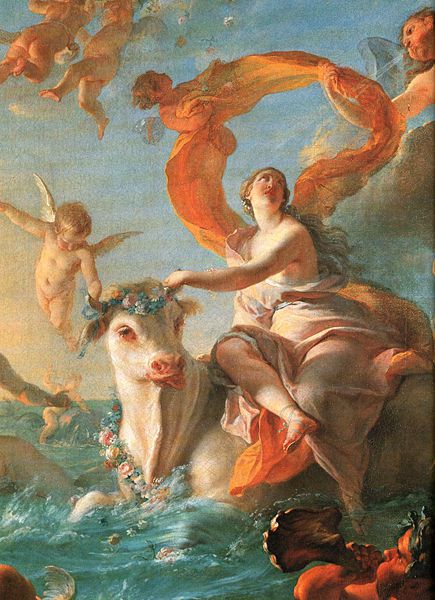
Juno takes the reader to the Underworld, where the shades of many women immortalized in Ovid’s Metamorphoses gets to tell her own story. Retelling the beloved myths from the mouths of women and girls gives power to the often powerless. Their lives and deaths are re-worked to into prose and verse, oftentimes taking the nymph chased by a god and relaying her as a girl abandoned by the boy who took advantage of her.
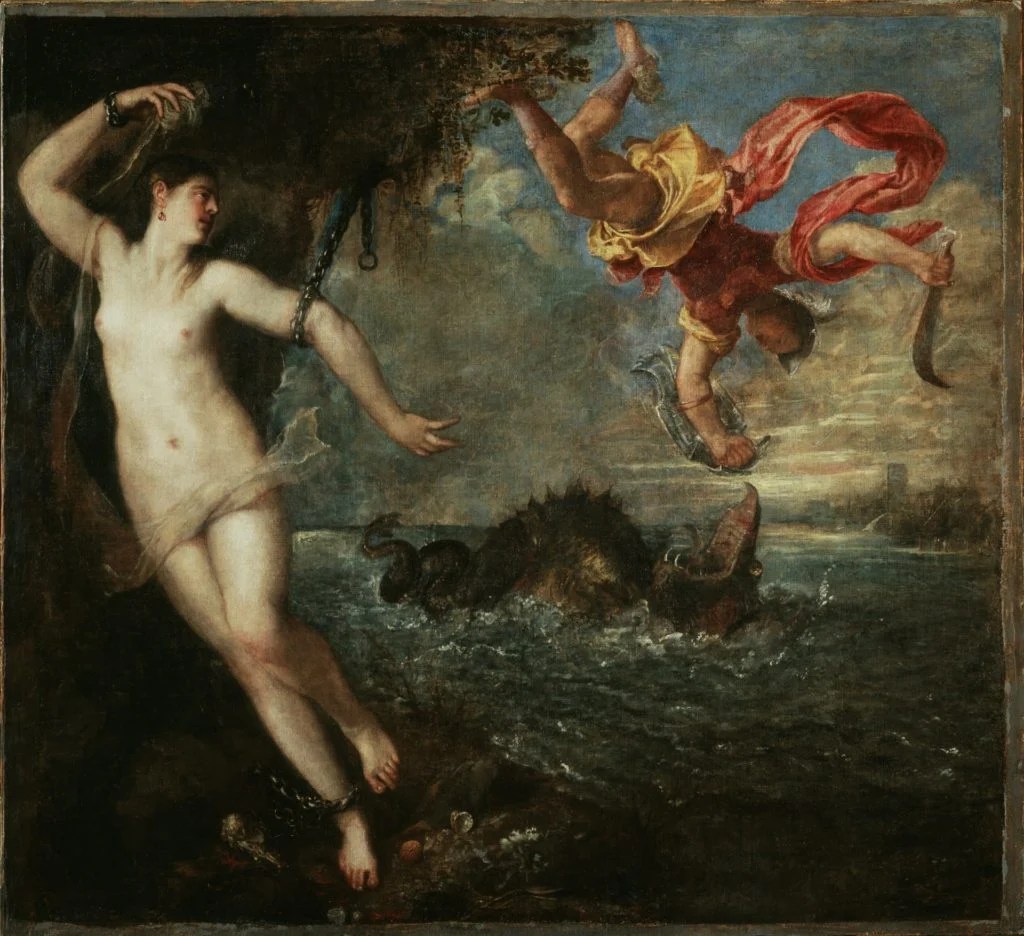
Some of the women we meet in Metamorphosed include Echo, Europa, Io, and Medea. They tell their stories how it happened to them: stories of harm done to women by men who lived without consequence.
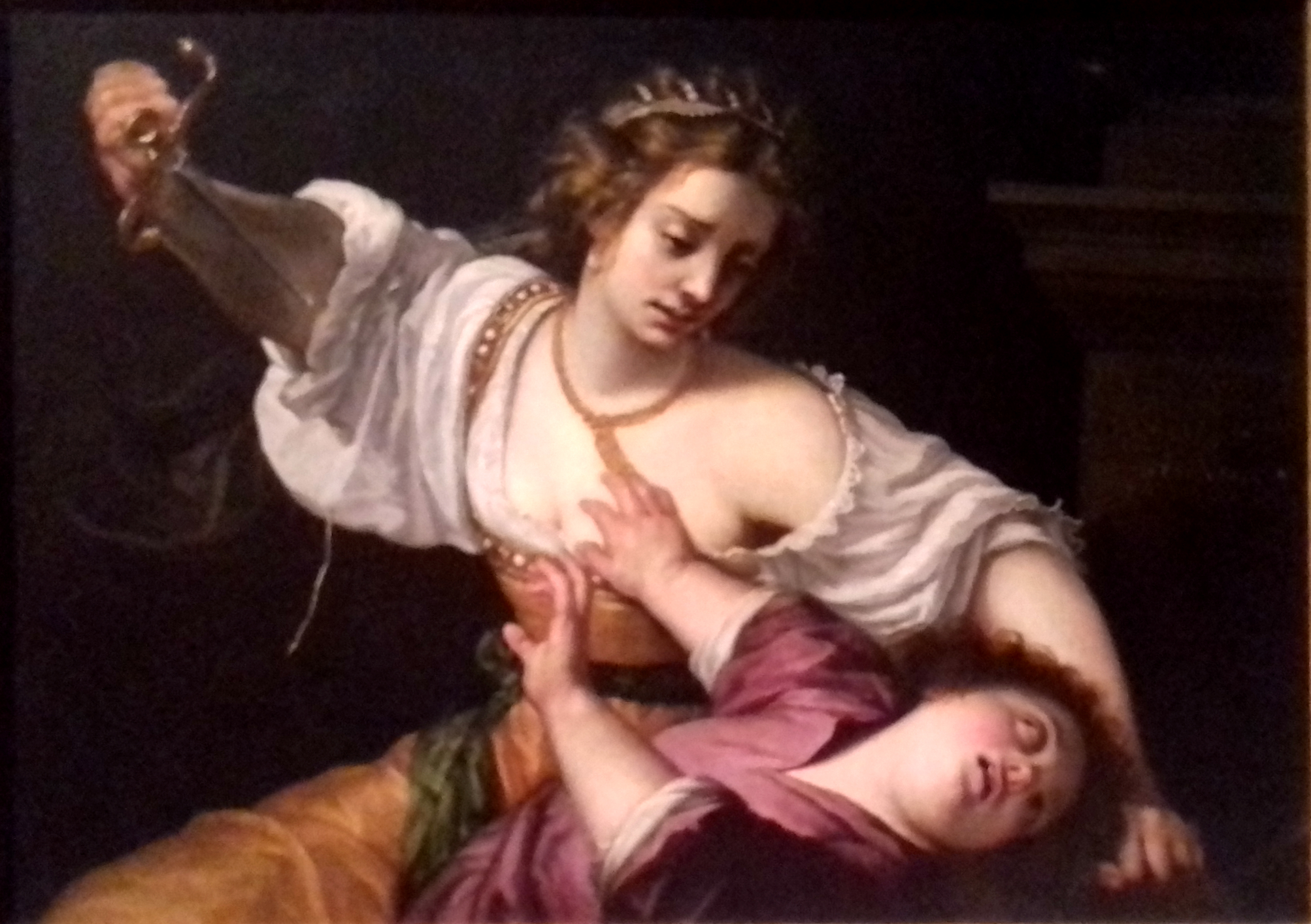
Want to be a beta reader of The Rose of Ravenna‘s first three chapters? Apply below!
Your message has been sent

 Veronica Guido